
Planning Your First Ride on the Estuary Path
Distance, terrain, best starting points, and what to bring. Everything beginners need to know.
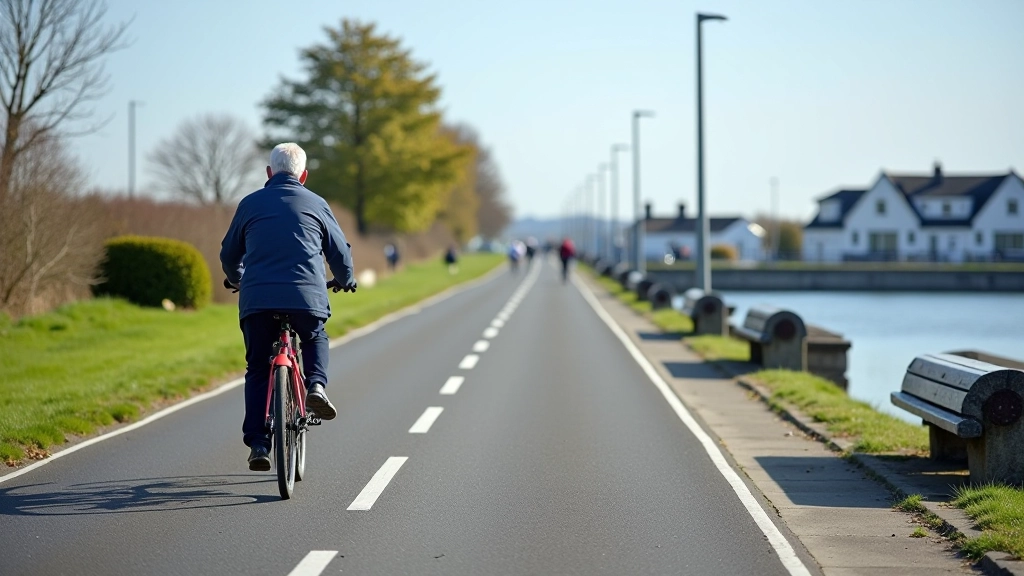
Weather, visibility, and traffic awareness. Everything you need to ride confidently along the estuary.

The Waterford Estuary Cycle Path is stunning. But it's also a real environment with weather, water, and traffic. You'll encounter everything from sudden wind gusts to wet surfaces to occasional car traffic near Dunmore East. The good news? Most safety issues are predictable, and you can prepare for them.
We're not here to scare you off. We just want you riding with confidence, knowing what to expect and how to handle it. That's what this guide covers — the real conditions you'll face and practical steps to stay safe.

The estuary is exposed. Wind comes off the water, and it's stronger than you'd expect inland. Most days are fine, but certain conditions deserve respect. Southwest winds can gust up to 30-35 km/h on exposed sections between Waterford city and Passage East.
Rain's another factor. The path drains reasonably well, but wet surfaces mean less grip, especially on turns. That's why we recommend wider tires — 32mm or bigger if your bike allows it. They're not just comfortable, they're safer.
The real lesson here? Check conditions before you go. Don't assume Tuesday will be like Monday. A 5-minute weather check saves you from headwinds that make the ride exhausting.

This article provides educational information about cycling safety on the Waterford Estuary Cycle Path. Conditions vary daily, and your personal fitness, bike condition, and experience all affect your safety. Always assess current conditions before riding, check your bike's brakes and tires, and wear appropriate safety gear. If you're uncertain about conditions or your ability to ride safely, don't ride that day — the path will be there next week.
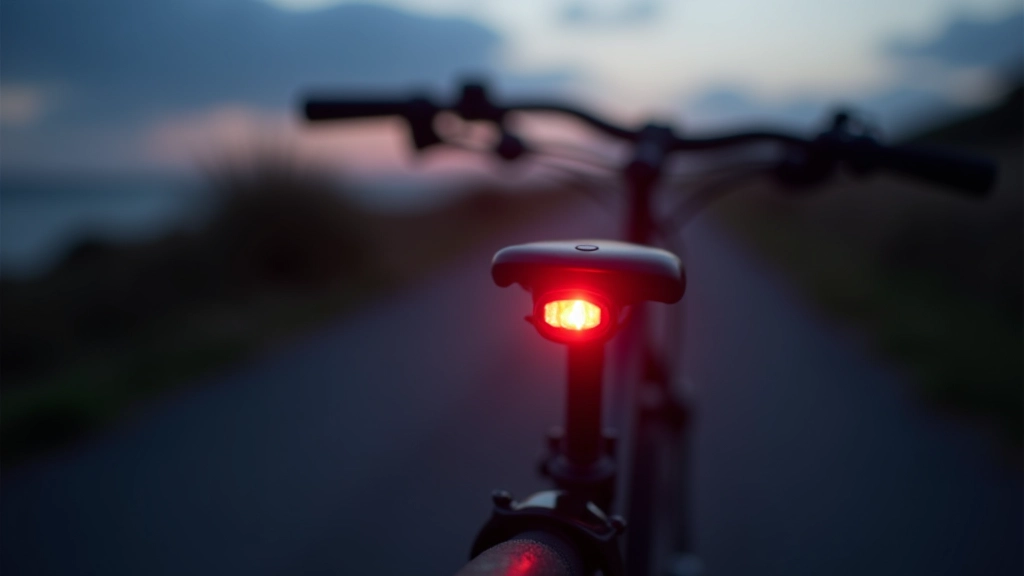
Most accidents on cycle paths happen at dawn or dusk, not at night. That's when light gets tricky — your eyes aren't adapted yet, and drivers aren't expecting cyclists. The path has some street lighting near Waterford city, but it thins out toward Passage East and disappears entirely on quieter sections.
You'll want a front light (at least 300 lumens) and a rear light (steady or flashing). Not to light your way — daylight does that. But to be seen. A red rear light is more important than people think. Studies show a blinking red rear light is noticed from 500 meters away. A steady light is noticed from 150 meters. That matters when someone's driving 50 km/h toward you.
Bright clothing helps too. Fluorescent yellow or orange is visible in low light when nothing else is. If you're riding before 8 AM or after 5 PM, wear it. And if it's genuinely dark, don't ride — the estuary path isn't lit well enough for safe night riding.
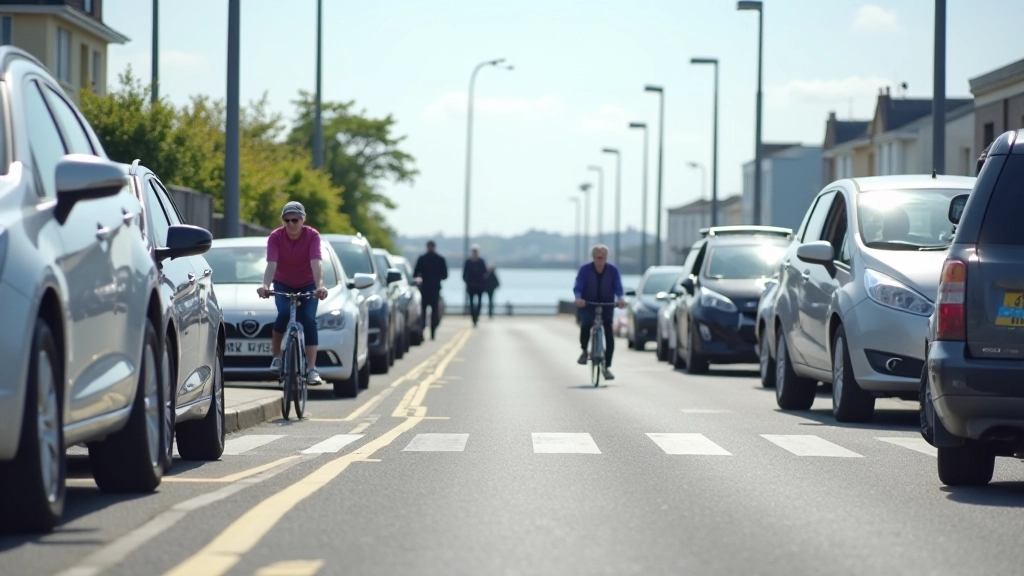
Here's the honest truth: The estuary path is mostly cycle-only. Excellent. But near Waterford city and approaching Dunmore East, you'll share the path with cars. Not many, but they happen. These aren't aggressive drivers — they're locals using the same route you are.
The rule is simple: stay predictable. Don't weave between parked cars. Ride in a straight line. Signal your turns clearly — hand signals still work. Don't assume a driver sees you, even in daylight. Make eye contact when possible. If someone's backing out of a parking space, don't assume they've seen you. Stop and wait.
Pedestrians share the path too, especially near Waterford quays and scenic stops. Ring your bell before you pass. Give people space. A lot of them aren't expecting cyclists — they're focused on the water, not their shoulder. That's not their fault. It's just the reality of a shared path.
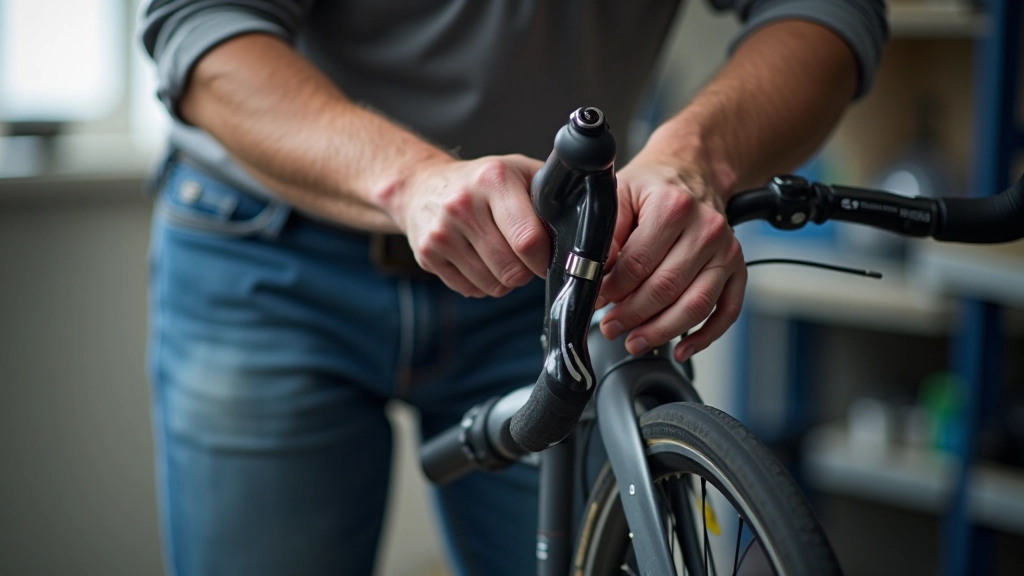
A bike that isn't maintained becomes a safety issue. You don't need fancy equipment — just consistency. Check your brakes every two weeks. Squeeze the lever. It should feel firm and stop the bike smoothly. If it feels spongy or doesn't stop you within a few meters, your brakes need adjustment.
Tires matter more than people realize. A puncture on the estuary path means a 2-3 km walk back to civilization. Inspect tires for cuts or embedded glass. If you're riding the estuary regularly, replace tires every 2,000 km or annually — whichever comes first. And keep your tire pressure correct. Too soft and you'll puncture. Too hard and you'll lose grip on wet surfaces.
Salt air corrodes bike parts faster than inland cycling. If you ride more than once a week, rinse your bike with fresh water after each ride. Really. The salt will destroy derailleurs, chains, and bearings if you let it build up. Five minutes with a hose saves you hundreds in repairs.
The Waterford Estuary path is one of Ireland's best cycle routes. It's worth riding regularly. But it deserves respect — not fear, just awareness. Check conditions. Maintain your bike. Be visible. Ride predictably. And don't hesitate to turn back if something doesn't feel right. That's not weakness. That's judgment.
Most riders complete thousands of kilometers on this path without incident because they're thoughtful about safety. You can too. The scenery's worth it.
Distance, terrain, best starting points, and what to bring. Everything beginners need to know.
Salt air affects bikes differently. Here's how to keep your bike running smoothly on coastal rides.
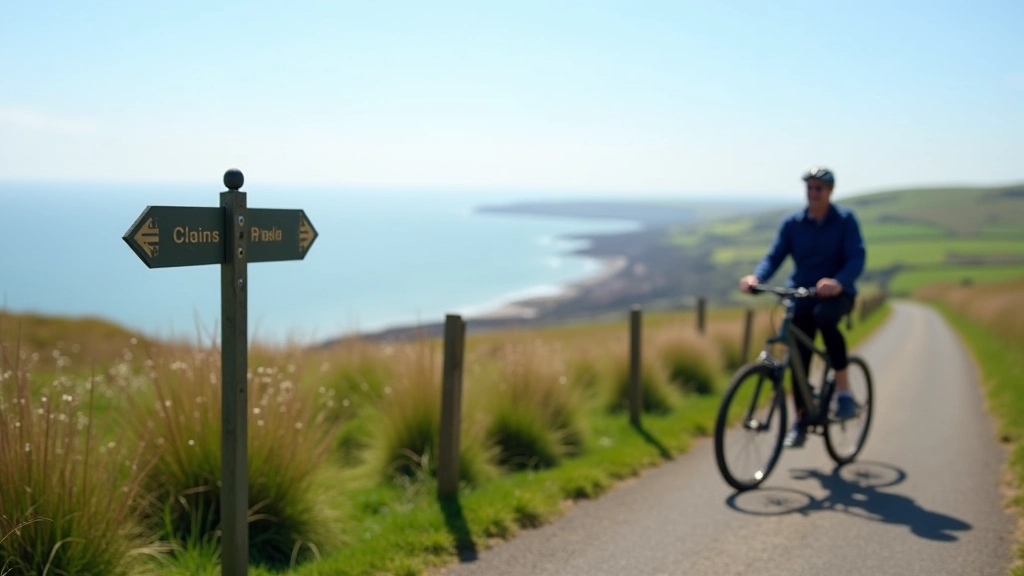
Best viewpoints, rest areas, cafés, and photo spots along the route. Make the most of every ride.